
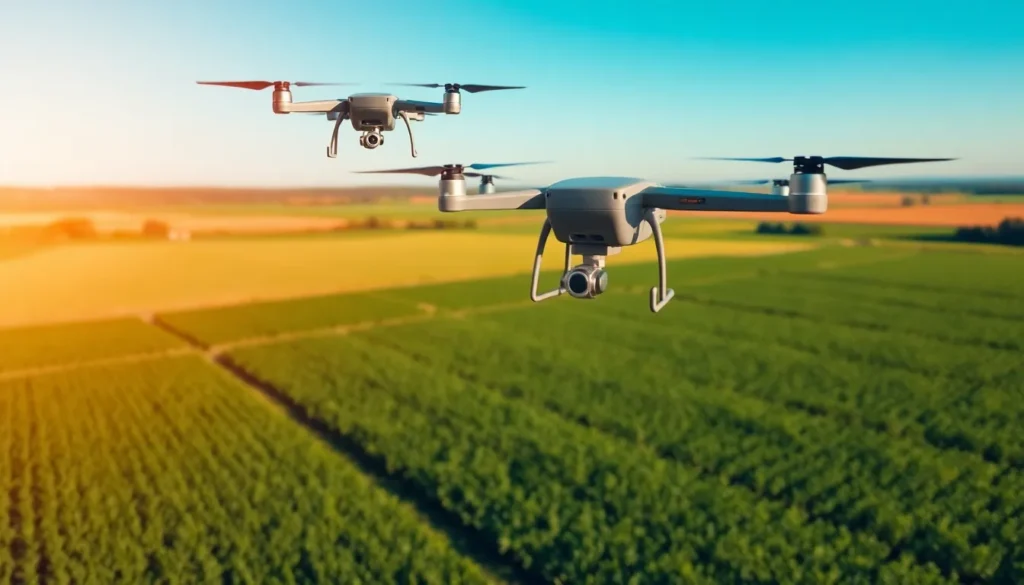

Drones have taken New Jersey by storm, transforming industries and everyday life alike. From capturing stunning aerial photography to delivering packages, these unmanned aerial vehicles are revolutionizing how people interact with technology and their environment. As the demand for drone services grows, understanding their applications and regulations becomes crucial for residents and businesses.
In New Jersey, drones are utilized in various sectors, including agriculture, real estate, and public safety. With advancements in technology, these versatile machines are becoming more accessible and affordable. As they soar through the skies, they raise questions about safety, privacy, and the future of aerial innovation in the Garden State. Exploring the world of drones in NJ reveals not just their capabilities but also the exciting potential they hold for the future.
Overview of Drones in NJ
Drones in New Jersey represent a rapidly expanding sector within modern technology. Their versatile applications across various industries demonstrate significant transformation.
Applications of Drones
- Agriculture: Drones facilitate crop monitoring, pest control, and precision agriculture, enhancing efficiency in farming operations.
- Real Estate: Drones provide aerial photography and videography, allowing agents to showcase properties from unique perspectives, improving marketing strategies.
- Public Safety: Drones assist in emergency response and surveillance, offering real-time assessments during incidents such as fires, floods, and other emergencies.
Growth of Drone Services
Demand for drone services in New Jersey is steadily increasing. Industries are recognizing the benefits of aerial technology for data collection and analysis. Local businesses are investing in drone technology to improve operational capabilities and customer service.
Regulations and Safety
Understanding regulations governing drone operations is crucial. The Federal Aviation Administration (FAA) establishes guidelines to ensure safety in the skies. Compliance with these regulations is essential for commercial and recreational drone operators in New Jersey.
Drones are influencing not only industry practices but also everyday life in New Jersey. As technology continues to evolve, their potential applications are likely to expand, creating new opportunities and challenges.
Types of Drones in NJ
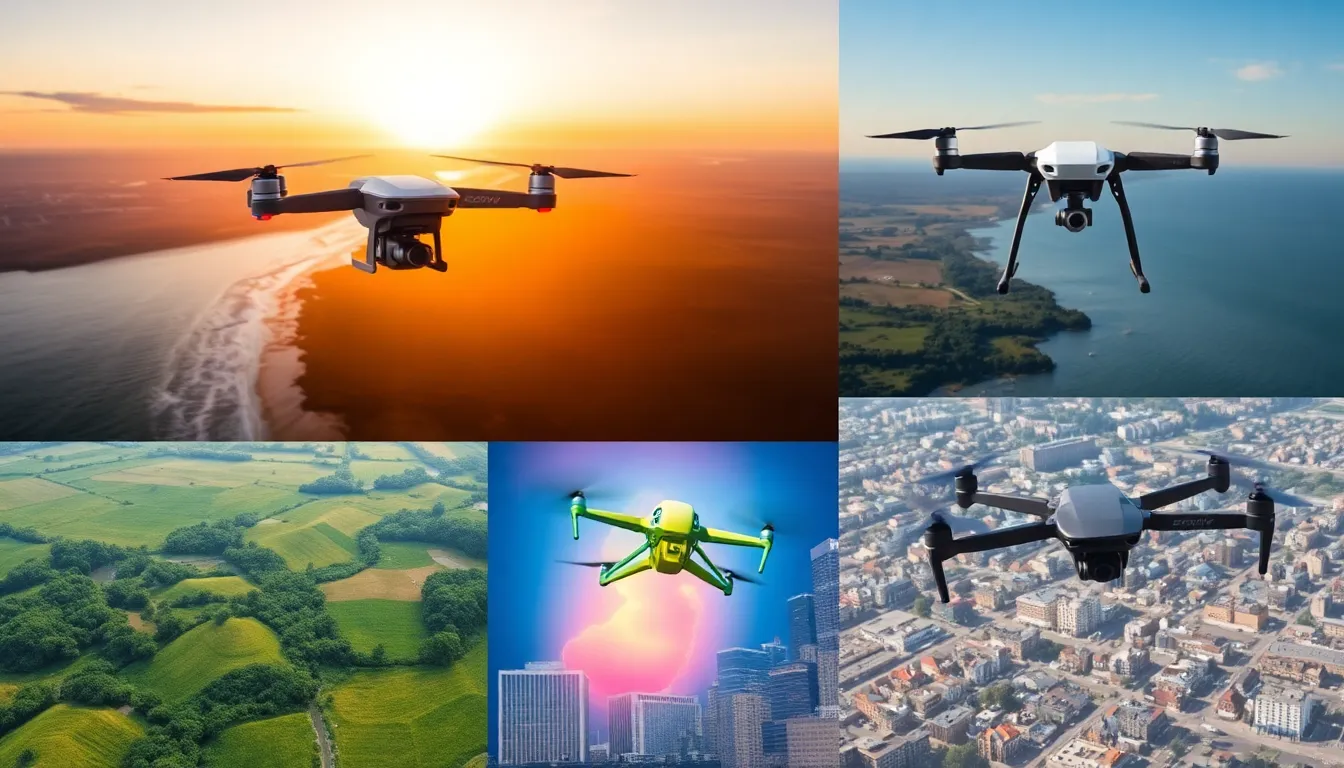
Drones in New Jersey can be categorized broadly into consumer and commercial types. Each category serves distinct purposes, reflecting the diverse needs of users across the state.
Consumer Drones
Consumer drones mainly cater to hobbyists and enthusiasts. They include quadcopters and fixed-wing drones, typically used for recreational activities, photography, and videography. Popular models like DJI Mavic and Phantom series offer high-resolution cameras and user-friendly features. These drones often come equipped with advanced functionalities such as GPS tracking and obstacle avoidance, enhancing user experience. Additionally, regulations require hobbyists to register drones over 0.55 pounds with the FAA, ensuring compliance with safety standards.
Commercial Drones
Commercial drones serve various industries in New Jersey, including agriculture, real estate, and public safety. These drones often feature robust capabilities for applications like crop monitoring and aerial surveying. For instance, DJI Matrice and Parrot Anafi are widely used for agricultural assessments, aiding farmers in precision farming. In real estate, drones provide stunning aerial images and virtual tours, improving property marketing strategies. Furthermore, in public safety, drones equipped with thermal imaging assist first responders in search and rescue operations, showcasing their versatility and effectiveness in critical situations. Compliance with FAA regulations remains essential for commercial drone operators, enabling safe and responsible use.
Regulations Governing Drones in NJ
Understanding the regulations governing drones in New Jersey is crucial for ensuring safety and compliance for all users. The Federal Aviation Administration (FAA) sets national standards, while state-specific laws may impose additional requirements.
FAA Regulations
FAA regulations dictate how drones can be operated across the United States. All drone operators must register their unmanned aerial vehicles if they weigh over 0.55 pounds. The FAA mandates that operators must adhere to the following rules:
- Altitude Limits: Drones must not fly above 400 feet in uncontrolled airspace.
- Line of Sight: Operators must maintain visual line of sight with their drones during flight.
- Night Flying: Drone operations at night require proper lighting and may necessitate additional waivers.
- No Controlled Airspace: Drones can’t fly in controlled airspace without prior authorization.
Compliance with FAA requirements is essential for both recreational and commercial operators aiming to avoid penalties and ensure safe operations.
State-Specific Laws
New Jersey’s state laws further refine drone operations, focusing on privacy and safety. Operators should be aware of the following regulations:
- Privacy Violations: Drones may not be used to invade privacy, such as capturing images or recordings of private properties without consent.
- Airspace Limitations: Restrictions exist around airports, schools, and public events; operators must consult local regulations before flying.
- Local Ordinances: Municipalities may enforce their own rules regarding drone use, including laws on take-off and landing locations.
Operators must familiarize themselves with these state-specific laws to avoid legal repercussions and foster responsible drone use in New Jersey.
Popular Uses for Drones in NJ
Drones play a crucial role across various sectors in New Jersey, providing innovative solutions that enhance efficiency and effectiveness. Below are some popular uses of drones in the state.
Aerial Photography
Aerial photography benefits significantly from drone technology, allowing real estate agents and marketing professionals to capture stunning images from unique perspectives. Drones equipped with high-resolution cameras produce engaging visuals that showcase properties and landscapes effectively. This method enables faster content creation for online listings and promotional materials, improving marketing strategies and attracting potential buyers.
Agriculture
In agriculture, drones optimize crop management by performing tasks such as aerial monitoring and precision farming. Drones equipped with multispectral sensors gather data on plant health, soil conditions, and irrigation needs, enabling farmers to make data-driven decisions. This approach helps increase crop yields while reducing resource waste, ultimately enhancing sustainability in farming practices. Drones also assist in mapping fields, monitoring livestock, and assessing land for development, thus transforming agricultural operations in New Jersey.
Drones are reshaping various industries in New Jersey by enhancing efficiency and creating new opportunities. Their applications in agriculture and real estate illustrate how technology can drive innovation and improve operational effectiveness. As the use of drones expands, understanding FAA regulations and state-specific laws remains crucial for safe operation.
The future of drones in New Jersey looks promising, with advancements in technology likely to unlock even more capabilities. As businesses and individuals continue to explore the potential of drones, it’s evident that their role in society will only increase, paving the way for exciting developments in the years to come.