

In a world where sound is king, an audio technology degree might just be the golden ticket to a symphony of career opportunities. Imagine diving into a realm where you can mix beats, engineer soundtracks, and even create the next viral podcast. It’s not just about listening to your favorite tunes anymore; it’s about crafting them and making your mark in the industry.
Understanding Audio Technology Degree
An audio technology degree equips students with essential skills for various roles in the sound industry. Programs typically cover areas such as sound engineering, production, and music technology, making graduates versatile professionals. Coursework often includes audio recording, mixing techniques, and digital audio workstations.
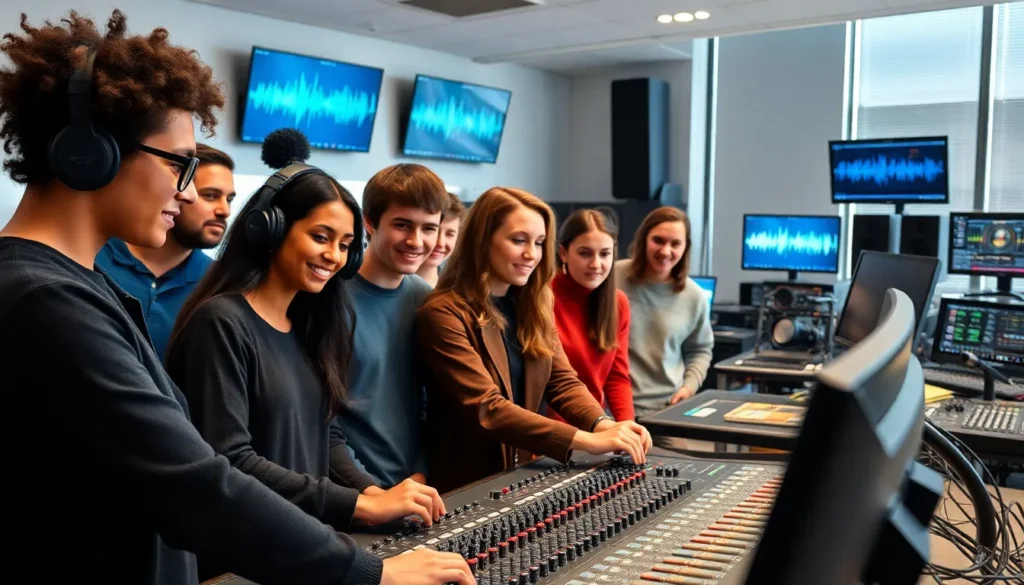
Students gain hands-on experience with industry-standard equipment. They learn to navigate software relevant to music production, sound design, and audio post-production. Understanding acoustics plays a critical role in shaping their capabilities, too. Knowledge of sound theory enhances their understanding of how audio interacts with different environments.
Collaborations within the program occur frequently, allowing students to work alongside peers on projects. Group assignments simulate real-world scenarios found in studios and production environments. These interactions mimic the teamwork needed in actual audio production settings.
Internship opportunities expand firsthand experience. Many institutions connect students with local music studios, broadcasting companies, and film production houses. Students often find internships lead to job offers or valuable networking contacts post-graduation.
Graduates discover numerous career paths available after completing an audio technology degree. Roles often include sound engineer, music producer, or audio technician, among others. The ability to pivot between genres and styles enhances their marketability in a competitive industry.
The audio technology field values creativity and technical proficiency. Both aspects are critical for successful careers as many employers seek candidates who combine artistic vision with engineering skills. Fostering these abilities within an academic environment prepares students for the demands of the ever-evolving sound industry.
Core Subjects in Audio Technology
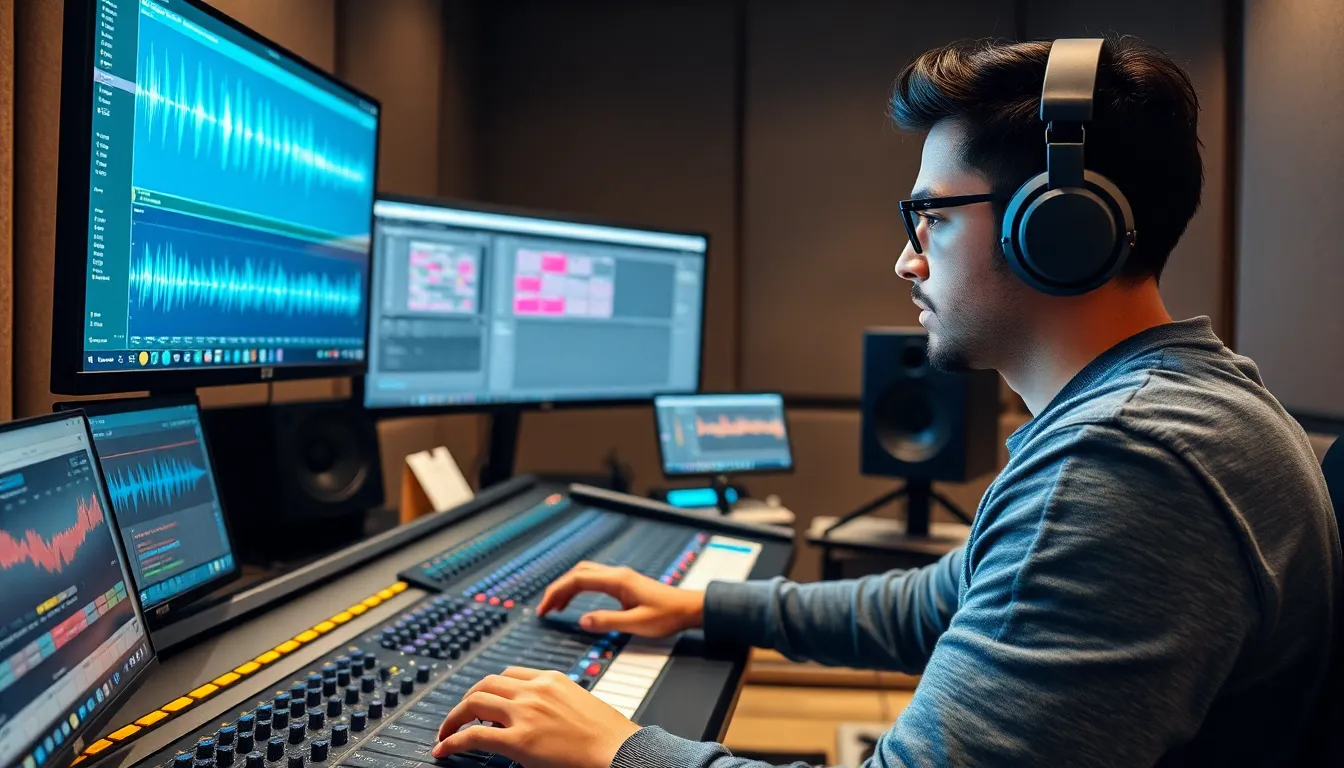
Core subjects in an audio technology degree cover essential skills necessary for success in the sound industry. These subjects provide a foundation for future career opportunities in sound engineering, music production, and audio technology.
Sound Engineering Principles
Sound engineering principles form the backbone of audio technology programs. Students learn to manipulate sound waves through theoretical knowledge and practical applications. Courses encompass microphone placement techniques, signal flow, and mixing concepts. It’s crucial to understand acoustics and how sound interacts with different environments. Learning about dynamic range and frequency response gives students insight into crafting high-quality audio. Mastering these principles prepares graduates to address various challenges in the sound industry effectively.
Digital Audio Workstations
Digital audio workstations (DAWs) serve as central tools for audio production. Familiarity with popular DAWs equips students with practical skills necessary for music and sound editing. Various platforms such as Pro Tools, Logic Pro, and Ableton Live offer unique features, allowing students to explore diverse functionalities. Instruction emphasizes recording, editing, and mixing workflows within these systems. Knowing how to utilize plugins and virtual instruments enhances editing capabilities. Experience with DAWs enables graduates to work efficiently in modern studios and freelance settings.
Music Production Techniques
Music production techniques encompass a broad range of skills vital for aspiring producers. Curriculum typically includes arrangement, sequencing, and sound design principles. Students engage in projects that simulate real-world production environments, allowing for hands-on experiences. Techniques like sampling, layering, and automation help create polished musical pieces. Understanding arrangement theory aids in developing a coherent track structure. Proficiency in these techniques equips graduates with the confidence to produce high-quality content in diverse genres.
Career Opportunities with an Audio Technology Degree
An audio technology degree opens doors to various exciting career paths in the sound industry. Graduates can find opportunities in both the music and film sectors, utilizing their skills to shape the auditory experience.
Roles in Music Industry
Positions such as sound engineer, music producer, and audio technician are popular choices for graduates. Sound engineers focus on optimizing recordings, working closely with artists to achieve the desired sound. Music producers manage the entire production process, from arranging music to overseeing recording sessions. Audio technicians maintain equipment and troubleshoot issues, ensuring that sessions run smoothly. These roles often require collaboration, making strong communication skills essential in the creative environment of the music industry.
Opportunities in Film and Television
The film and television sectors also provide numerous career opportunities for audio technology graduates. They can work as sound designers, enhancing the auditory landscape of films through creative soundscapes. Sound mixers adjust audio levels during post-production, ensuring that dialogue, effects, and music blend seamlessly. Additionally, production sound mixers capture audio on set, skillfully managing environmental sounds while recording. These roles demand technical proficiency and creativity, allowing individuals to significantly contribute to the storytelling process.
The Future of Audio Technology
Audio technology continues to evolve, driven by innovation and changing consumer preferences. Professionals in this field must stay informed about trends shaping the industry.
Emerging Trends
Virtual reality experiences are becoming more immersive, leading to the demand for spatial audio techniques. Streaming services are prioritizing high-resolution audio formats, appealing to audiophiles who seek superior sound quality. Moreover, live streaming concerts and events have surged, creating opportunities for sound engineers to enhance the audio experience for remote audiences. Technologies such as 360-degree sound capture are also gaining traction, allowing listeners to feel more connected to performances. Educational programs are adapting, incorporating these advancements to better prepare students for contemporary challenges in audio production.
Impact of Artificial Intelligence
Artificial intelligence significantly influences audio technology, streamlining production processes. Programs use AI to analyze audio data, improve mixing, and enhance mastering techniques. Creativity is also being augmented with AI algorithms that can generate musical compositions, raising questions about authorship and originality. In podcasting, voice recognition software facilitates transcription, making content more accessible. As these technologies advance, industry professionals must adapt to incorporate AI tools effectively in their workflows. Collaboration between human creativity and AI capabilities may redefine audio production standards, leading to innovative sound experiences.
Pursuing an audio technology degree offers a unique blend of creativity and technical expertise that’s essential in today’s sound industry. Graduates emerge equipped with the skills to navigate various roles from sound engineering to music production.
As the industry continues to evolve with advancements in technology, the demand for knowledgeable professionals remains strong. With hands-on experience and collaborative projects, students are well-prepared to tackle challenges and seize opportunities in this dynamic field.
Whether it’s in music, film, or emerging technologies, the potential for a fulfilling career in audio technology is vast. Embracing this journey not only enhances individual capabilities but also contributes to the future of sound.